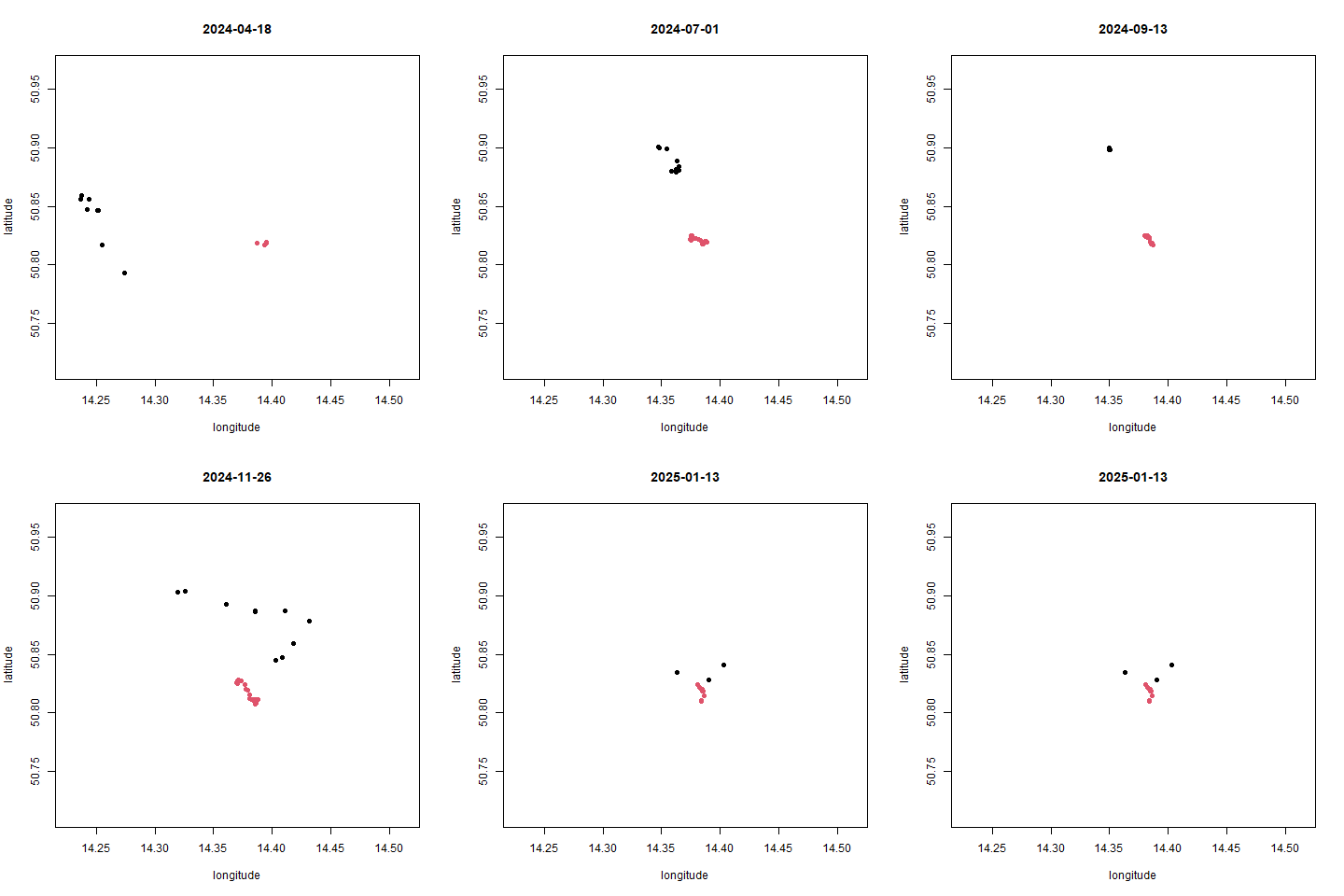
Up to 30 red deer will receive a telemetric collar as part of the REDEMA project, which will allow us to obtain data on their movement, environmental preferences, seasonal and daily changes in behaviour. However, in order to give them the telemetric collar, the red deer must first be immobilised. The majority of collars are given to adult doe, because their neck circumference is more stable and there is less chance of injury to the animal or damage to the collar due to contact with another individual. The immobilisation takes place in close coordination with project partners on both sides of the border. The result of successful application of the collar is then the red deer's routes displayed on a map. Combined with appropriate background maps, we get answers to the question of where the deer stay. By projecting data from the deer and wolf collars, we can then monitor how these two species interact with each other.
Check out the daily GPS recording of the wolf (red) and red deer (black):